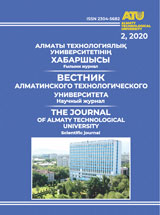
The journal of Almaty Technological University was founded in 1996. The founder and publisher of the journal is the Joint-Stock Company “Almaty Technological University". The journal has a developed and approved cover and title pages indicating the university, the output data of the issue, ISSN, E-ISSN, the editorial board, editorial policy, publication ethics, and website.
The journal has a certificate of registration from the Committee of Information and Archives of the Ministry of Culture and Information of the Republic of Kazakhstan No. 13928-Z dated 08.10.2013, Subscription index 75907 and International Standard Serial Number ISSN No. 2304-568X (for the paper version) and No. 2710-0839 (for the electronic version). By order of the Chairman of the Committee for Quality Assurance in the Field of Science and Higher Education of the Ministry of Science and Higher Education of the Republic of Kazakhstan, the journal is included in the "List of scientific publications recommended for publishing the results of scientific activity" in technical sciences (light, food and processing industries).
The journal is published 4 times a year.
The journal is indexed by the Kazakhstan Citation Database of JSC "National Center for State Scientific and Technical Expertise".
Each author's article is necessarily assigned a DOI – a digital identifier of the object, which is used to provide citations, links, and access to electronic documents.
Since 2022, the journal has been included in one of the prestigious international databases of scientific information – DOAJ (Directory of Open Access Journals).
The journal is also hosted in the Scientific Electronic Library elibrary.ru in open access for readers and included in the analytical database "Russian Science Citation Index" (RSCI).
The Editorial board of the journal includes leading Kazakhstani and foreign scientists.
The journal follows the policy of information openness and accessibility of authors' publications, articles are posted on the journal's website https://www.vestnik-atu.kz in three languages (Kazakh, Russian, English) in full-text access.
Current issue
FOOD AND PROCESSING INDUSTRY TECHNOLOGY
This article presents a comparative assessment of the qualitative and quantitative composition of extracts obtained from three species of rosehip (Rosa spp.) — Rosa acicularis, Rosa davurica, and Rosa rugosa — aimed at enhancing the functional and biological value of food products. The main objective of the study is to identify biologically active compounds in natural extracts of various rosehip species, determine their nutritional value, and substantiate the feasibility of their use in functional food formulations. During the study, physicochemical parameters of the extracts were determined (pH, density, solubility, total solids), as well as the content of vitamins (particularly vitamin C), mineral elements (iron, potassium, calcium, etc.), carbohydrates (glucose, fructose, sucrose), and organic acids (citric, malic, and tartaric acids). Extraction was carried out using two methods — maceration and ultrasonic treatment — and their efficiency was also comparatively analyzed. The results demonstrated that all three types of extracts are rich in biologically active compounds and possess natural antioxidant, immunomodulatory, and adaptogenic properties. According to the comparative analysis, the extract derived from Rosa acicularis showed the highest levels of vitamin C, carbohydrates, and iron, making it the most suitable option for food applications. This extract is recommended as a scientifically substantiated natural ingredient for use in functional food products, preventive formulations, and biologically active supplements (BAS). The findings of the study offer promising opportunities for increasing the efficiency of utilizing domestic plant raw materials in the food industry and contribute to the development of innovative solutions aimed at promoting healthy nutrition among the population.
This study investigated the effects of incorporating apple pomace powder from 3 apple varieties (Aidared, Simirenko, and Golden Delicious) at two inclusion levels (3% and 5%) on the physicochemical properties and amino acid composition of cooked sausages. Results showed that apple pomace powders significantly influenced moisture, protein, fat, ash content, water holding capacity (WHC), water binding capacity (WBC), and fat retention capacity (FRC). Notably, 3% Golden Delicious apple pomace powder (CSG3) enhanced WHC and FHC most effectively, while 5% Simirenko apple pomace powder (CSS5) resulted in the highest protein content (41,3±0,58%). Apple pomace powder inclusion also increased the pH of sausages and positively affected the amino acid profile, with improvements in lysine, valine, phenylalanine, and alanine levels. The type and concentration of apple pomace powder influenced the enhancement of both nutritional and functional attributes. These findings suggest that apple pomace powder can be utilized as a functional ingredient in sausage formulations to improve nutritional quality and functional performance.
The aim of the study was to provide a scientific justification for the formulation and processing technology of a horsemeat roulade using plant-based functional ingredients – calamus rhizome, a humic–fulvic acid complex and pumpkin seed cake – and to evaluate their effects on the nutritional value, technological properties and sensory characteristics of the product. Within the framework of the study, control and experimental samples of horse-meat roulade were developed, for which the chemical composition, energy value, pH, TBA index, cooking loss, total viable count (TVC), amino acid profile and sensory attributes were determined. In the experimental roulade, the protein content decreased from 28,2% to 19,12%, and the fat content from 14,8% to 8,7%, while carbohydrates (5,6%) were detected, which reduced the energy value of the meat product from 246,0 to 177,2 kcal/100 g. A decrease in pH from 6,1 to 5,8 and in the TBA value from 0,45 to 0,31 mg MDA/kg was observed, and cooking loss was reduced from 32,8% to 17,01%. The TVC in the experimental roulade sample amounted to 7,2×10² CFU/g versus 8,1×10² CFU/g in the control sample, which was below the limit specified by the regulatory document (1×10³ CFU/g). The amino acid score for key essential amino acids exceeded 130%, and the biological value of the meat product reached 139,86%. At the same time, the sensory scores for appearance, colour and taste of the experimental roulade were higher than those of the control sample.
In the context of the growing interest in healthy nutrition and functional food products, bakery products are considered a promising object for the targeted formation of functional properties. The modern development of food technologies necessitates a transition from empirical recipe selection to scientifically grounded methods for modeling and optimizing the composition of bakery products. The aim of this review article is to systematize and analyze contemporary approaches to the modeling and optimization of functional bread formulations with predefined technological, nutritional, and consumer properties. The paper examines the main research directions related to the use of functional ingredients, as well as mathematical, computational, and data-driven methods for formulation modeling. The scientific significance of the study lies in the comprehensive generalization of modern methods for modeling functional bread formulations and in identifying their advantages and limitations. The practical significance is determined by the potential application of the reviewed approaches in the development of new bakery products with predictable properties and stable quality. The research methodology is based on the analysis and synthesis of scientific publications indexed in international databases, employing methods of system analysis, comparative analysis, and classification. As a result of the conducted review, key trends in the development of functional bread formulation modeling were identified, and the effectiveness of mathematical optimization and computer modeling methods in shaping targeted functional properties was demonstrated. A conclusion was drawn regarding the перспективность of integrating digital and intelligent technologies into bakery product development processes. The value of the study lies in establishing a scientific foundation for further research in the field of functional bakery product modeling. The practical relevance of the results consists in their applicability in scientific research, educational activities, and the baking industry.
Food safety has been a concern for consumers, especially when storing various types of meat. Non-thermal technology, in particular electron beam irradiation, can ensure the safety of poultry meat by inactivating food pathogens without significantly affecting its nutritional and organoleptic characteristics. Compared to other non thermal methods, electron beam irradiation is considered a new non-thermal technology for meat due to its low cost, lack of contamination, and antibacterial effect. However, this technology still has some limitations, such as lipid oxidation (LPOD), protein oxidation (PNOD), physicochemical changes, and organoleptic changes, which limit its application in various types of meat. The aim of this scientific study is to highlight new ideas for the application of electron beam irradiation in poultry meat storage. This article focuses on the application and mechanism of electron beam irradiation sterilisation, justifies the electron beam irradiation dose, and highlights areas for future research. In addition, particular attention is paid to optimising processing parameters to minimise quality deterioration while maintaining microbiological safety and extending shelf life.
The research is aimed at expanding the range of vegetable purée canned products for daily consumption by enriching their composition with natural antioxidants and biologically active substances in order to increase their nutritional and biological value and to develop functional food products with high antioxidant activity. During the study, new formulations and technological parameters for the production of vegetable purée canned products based on pumpkin purée with the addition of active pectin extracts obtained from cucurbit vegetables (pumpkin, zucchini) were developed. Special attention in the study is given to substantiating the selection of plant-based raw materials and pectin extracts as sources of functional ingredients with pronounced antioxidant properties. The effect of pectin extracts on the structural and mechanical properties, consistency, color stability, and overall quality indicators of the finished products was investigated. Organoleptic evaluation (taste, aroma, color, and consistency) demonstrated that the incorporation of pectin extracts improves the consumer properties of vegetable purée canned products. It was established that the antioxidant activity of pectin extracts enhances the functional orientation and physiological value of the products. The feasibility of using the developed formulations in the production of food products aimed at preventive and functional nutrition has been demonstrated. The obtained results confirm the feasibility of using pectin extracts in the development of new types of vegetable purée canned products and can be applied to expand the ассортимент of functional canned foods in the food industry.
This study conducted a comprehensive assessment of the quality and nutritional value of the main legume crops grown in Kazakhstan—soybean (“Zhansaya Elita”, “Aisaule Super Elita”), chickpea (“Nurly”), lentil (“Vekhovskaya”), and pea (“Shal”). The research included the determination of macronutrients, physicochemical and technological characteristics of the grains, lipid fraction quality indices, and bioactive compounds. The results showed that soybeans had the highest protein and fat contents (36.39–36.71% protein and 18.69–20.56% fat), while lower levels were observed in peas, chickpeas, and lentils. The highest starch contents were recorded in lentils (55.34%), peas (51.98%), and chickpeas (48.51%), whereas dietary fiber was most abundant in soybean varieties (14.18–15.59%). Ash content ranged from 2.09 to 3.65%, and pH values varied between 6.20 and 6.33, indicating good grain quality. Soybeans were also distinguished by higher levels of water-soluble antioxidants, polyphenols, and vitamin E. The obtained results confirm the high nutritional value and functional properties of the studied legume samples, justifying their application in rational nutrition and the food industry, as well as their potential for the development of food products with enhanced biological and nutritional value.
The high moisture content and short shelf life of soft brined cheeses create a serious problem of rapid spoilage, necessitating the search for effective natural stabilizers to preserve product quality and safety. The aim of this study was to improve stability and extend the shelf life of soft brined cheese through the combined application of hop extract during production and subsequent storage in brine enriched with molecular hydrogen (H₂). The main idea was to investigate the synergistic antioxidant effect arising from the combined use of these two natural factors. The scientific significance lies in substantiating a new approach to stabilizing soft brined cheeses using natural antioxidants, while the practical significance lies in improving the technology to extend shelf life without synthetic additives. The methodology was based on controlled experimental modeling with comparative groups of cheese samples (control and experimental variants), including hop extract and hydrogen-enriched brine. Physicochemical (oxidation-reduction potential, water activity, pH), microbiological, and organoleptic indicators were evaluated during storage. It was established that hydrogen-enriched brine reduces oxidation-reduction potential compared to the control, stabilizes water activity at 0.638–0.640 (control: 0.781–0.888), and maintains pH within 4.96–5.08 (control: 5.30–5.77), indicating a more stable environment and improved product stability. Microbiological indicators meet regulatory requirements: pathogenic microflora was not detected, and the total count of mesophilic aerobic and facultative anaerobic microorganisms (TAMC) is 1.0–1.2 log CFU/g. The results indicate an antioxidant effect that improves product stability and may extend shelf life without deterioration of organoleptic and functional characteristics. The study contributes to the development of technologies for functional and environmentally safe dairy products using natural stabilizing systems. The results have practical significance for the dairy industry and can be used to improve quality stability and extend the shelf life of soft brined cheeses.
This study presents the results of a comprehensive comparative analysis of the fatty acid composition of six meat types (horse, beef, lamb, pork, maral, and camel meats). Gas chromatography was employed to establish the complete fatty acid profile and to calculate key nutritional quality indices, including the ω-6/ω-3 ratio, atherogenic index (AI), thrombogenic index (TI), and hypocholesterolemic/hypercholesterolemic ratio (HH). The results identified beef and horse meat as exhibiting the most favorable fatty acid profile and nutritional quality, characterized by the lowest AI and TI values. Maral meat was distinguished as a unique dietary source of omega-3 polyunsaturated fatty acids (PUFAs) among the meat types analyzed. Lamb showed the highest proportion of saturated fatty acids, whereas pork demonstrated a pronounced imbalance in the ω-6/ω-3 ratio. Meat from ruminant species (beef, lamb, maral, and camel) was found to consistently contain trans fatty acid isomers, specifically octadecenoic acid (C18:1 trans-9) and linolelaidic acid (C18:2n-6t), which originate from ruminal biohydrogenation processes. The presence of these trans isomers represents a natural, species-specific characteristic of ruminant fat and clearly differentiates it from the fat of non-ruminant animals (pork). Overall, the findings emphasize the predominance of fatty acid quality over total fat content and provide a scientific basis for evidence-based selection of meat products in human nutrition.
Pectins are considered to have geroprotective properties through enterosorption, antioxidant activity and stabilization of milk structure. The aim of the study is to scientifically substantiate the optimal pH, amount and stages of addition of low-methoxylated and high-methoxylated pectin to the curd mass in order to achieve the maximum moisture retention capacity, the lowest syneresis value and improved structural and mechanical properties. The addition of low-methoxylated and high-methoxylated pectin separately and in combination at amounts of 0.25–1.5% was studied at pH 3.0–6.0. In addition, a pH test was carried out in the range of 4.1–4.5 for combined addition. Moisture retention capacity, syneresis, hardness and cohesiveness, and viscosity were evaluated. The uniformity of pectin distribution was controlled by the methylene blue dye method and the Ca-pectate method, and the distribution was recognized as uniform in all samples. The experiments were carried out three times and statistical processing was performed using ANOVA post-hoc with Tukey's criterion (p<0.05). The optimal pH for high-methoxylated pectin was 3.5, for low-methoxylated pectin – 4.6. Within a very narrow pH range of 4.3, the syneresis value was the highest at a 50:50 ratio. The optimal amount of each pectin was 1.0%. Addition at the initial stage (to freshly prepared curd from cow's milk) is effective for both types of pectin, but for combined addition, a method was proposed: adding low-methoxylated pectin to freshly prepared curd, and high-methoxylated pectin to the finished curd mass. At pH 4.3, the 50:50 pectin ratio provided the maximum moisture retention capacity (78.0%), the minimum syneresis (3.2% on the initial day, 8.0% after 14 days) and a hardness of 0.67 N. Compared to the control experiment value of 2.9 mmol/kg, the lipid peroxidation value after 14 days was 1.6 mmol/kg (which is below the oxidation threshold for dairy products of ≤4 mmol/kg). Recommended parameters: total pectin concentration 1.0% (0.5% low-methoxylated pectin + 0.5% high-methoxylated pectin), pH 4.3, addition of low-methoxylated pectin at the initial stage, and high-methoxylated pectin at the final stage. The finished curd mass had improved geroprotective and structural-mechanical characteristics.
In recent years, the demand for natural and functional food products has been steadily increasing in Kazakhstan. In this regard, goat milk is of particular interest due to its high digestibility, nutritional value, and hypoallergenic properties. Sary irimshik made from goat's milk is a product with high nutritional value. Traditional Kazakh dairy products from goat milk are characterized by high nutritional and biological value. However, its quality and safety directly depend on the microbiological processes that occur during production. The aim of this study was to investigate the microbiological indicators of the traditional Kazakh dairy product “Sary Irimshik” produced from goat milk and to evaluate changes in microbial content at different technological stages of production. In the course of the research, microbiological characteristics of the product were analyzed throughout the production process. Changes in the number of microorganisms during fermentation and thermal treatment stages were determined. According to the obtained results, intensive growth of lactic acid bacteria was observed during the fermentation stage, while a significant reduction in microflora occurred during heat treatment. The study confirmed that the microbiological indicators of the finished product complied with sanitary and safety requirements.
The primary direction in the development of the confectionery industry assortment is the creation of products with improved quality characteristics. The aim of this study was to develop a technology for choux semi-finished products using millet and almond flours in order to enhance nutritional value, ensure safety, and extend shelf life. The scientific significance of the research lies in studying the effect of millet flour on starch gelatinization processes and protein denaturation. The practical significance is reflected in the development of a new technology involving raw materials with a rich chemical composition, which contributes to improving the nutritional value of the products. The research methodology was based on experimental methods, including pilot laboratory baking and methods for determining the quality indicators of finished products, including microbiological parameters. The results showed that samples of choux semi-finished products containing 20% almond flour and 15% millet flour demonstrated higher quality indicators throughout the entire storage period (up to 5 days) compared to the control sample. In addition, the safety of the choux semi-finished products was assessed depending on storage duration. The feasibility of developing new types of choux semi-finished product technology using millet and almond flours has been established based on a comprehensive assessment of quality, microbiological indicators, and storage stability.
A comparative study of granola produced using plant-based multicomponent mixtures was conducted based on two samples (No. 1 and No. 2). Granola sample No. 2 was characterized by a higher content of protein (13.69% vs. 13.03% in No. 1), fat (15.44% vs. 15.60%), carbohydrates (47.84% vs. 44.43%), and dietary fiber (8.31% vs. 7.42%), which enhances its functional orientation as a grain–plant composite product. The vitamin profile demonstrated a statistically significant increase in vitamin A content in sample No. 2 (0.61 mg/100 g) compared to No. 1 (0.51 mg/100 g), a decrease in vitamin E (5.32 and 6.71 mg/100 g, respectively), and a tendency toward increased levels of B-group vitamins. The total content of polyphenols and flavonoids in sample No. 2 reached 0.91% and 0.47%, respectively, exceeding those of sample No. 1 (0.63% and 0.41%), indicating a more pronounced antioxidant potential. Mineral analysis revealed high levels of magnesium and phosphorus in both samples, while the iron content in sample No. 2 was higher, increasing its value as a source of trace elements involved in hematopoiesis and oxygen transport. Toxicological assessment confirmed product safety: pesticides were not detected; cadmium, arsenic, and mercury were absent; and lead content (≤ 0.0028 mg/kg) was significantly below regulatory limits. The study results demonstrate that the use of plant-based multicomponent mixtures improves the nutritional and functional value of granola by increasing the content of dietary fiber, vitamins, and biologically active compounds while maintaining product safety and high organoleptic characteristics.
The paper considers traditional and modern methods of obtaining phenolic compounds from plant raw materials and cellular (in vitro) plant cultures and provides a comparative analysis. Hypericum perforatum (kombucha), Melilotus officinalis (verbena) and Portulaca oleracea (purslane) were selected as the objects of research.The relevance of the study is due to the increased demand for natural phenolic compounds as sources of antioxidants and functional ingredients, as well as the need to develop effective, economically and environmentally friendly technologies for their production.The purpose of the study – determination of the optimal method for obtaining phenolic compounds in terms of yield, stability and technological effectiveness of bioactive compounds.70% ethanol extractant was used in the work, and three methods were compared – maceration, Soxlet extraction and Ultrasonic extraction (UAE).According to the results of the study, the largest amount of phenolic compounds was obtained by the Soxlet method: in natural plant raw materials, 61.2±2.4 mg GAE/g for Hypericum perforatum, 56.3±1.9 mg GAE/g for melilotus officinalis and 45.7±1.5 mg GAE/g for Portulaca oleracea were recorded. The ultrasonic extraction method showed GAE/g values of 58.4±2.1; 44.1±1.5 and 32.8±1.1 mg, respectively, which is higher than that of the maceration method, but lower than that of Soxlet. The lowest values were observed during maceration (in the range of 24.2-42.6 mg GAE/g).It was found that in extracts obtained from In vitro cultures, the content of phenolic compounds is on average 10-20% lower than in natural plant raw materials.As a result of optimization of extraction parameters, it was found that 70% ethanol and a temperature range of 50-70 °C are optimal for the effective production of phenolic compounds, while the maximum values were recorded at 70 °C. Comparative analysis has shown that the Soxlet method provides maximum yield, but requires high temperatures and energy consumption. Although the ultrasonic extraction method has a slightly lower yield, it is more effective and promising in terms of a short extraction time (30 minutes), lower solvent consumption and preservation of biologically active compounds. Thus, the results of the study showed that the choice of a method for producing phenolic compounds should depend on a specific goal: for maximum yield, the Soxlet method is used, and for technological efficiency, energy efficiency and product quality preservation, the ultrasonic extraction method is proposed. The results obtained can be used in the development of technologies for the production of plant extracts in the food industry and the production of functional products.
In recent years, as manufacturers have expanded their range of functional fermented milk products, they have become increasingly interested in producing these products in dried form with good sensory characteristics. Among the many preservation methods, freeze-drying preserves nutritional value better than other drying methods, while retaining the actual color and shape of the raw materials. This paper presents the results of studies on the effect of freeze-drying on the quality parameters of low-fat peach yogurt intended for functional use. As a result of the freeze-drying process, freeze-dried yogurt enriched with peach juice was obtained. To prevent microbial growth and extend the product’s shelf life, optimal process parameters were selected (pressure p = 0.050 mbar, condenser temperature t = −80°C), enabling the production of a product of the required quality. The residual moisture content of the dry yogurt, which affects quality indicators, was 3.1%, 3.5%, and 3.8% for the three samples A, B, and C, depending on the thickness of the pre-frozen product before drying, which was 10 mm, 15 mm, and 20 mm, respectively. As the studies showed, the drying time depended on the thickness of the prepared frozen samples. A frozen sample thickness of 10 mm was found to be optimal and resource-efficient, with a drying time of 27 hours. For thicknesses of 15 mm and 20 mm, the drying time ranged from 32.2 to 36.5 hours, depending on the sample thickness, respectively. The addition of peach juice in an amount equal to 20% of the total mass of the finished yogurt, made from skim milk, increased the nutritional value of the final product by raising the content of carbohydrates, vitamins, and macro- and micronutrients.
Brewer’s spent grain is one of the most promising by-products of the brewing industry and is characterized by high nutritional value and functional properties. This study presents a comprehensive investigation of the technological characteristics of dried brewer’s spent grain, including the determination of chemical composition, heavy metal content, water-holding capacity, and microstructure of the raw material. The effect of adding dried brewer’s spent grain at levels of 5–35% on the organoleptic properties of bread was evaluated using a sensory heat map. In addition, an online survey was conducted among residents of the city of Astana (N = 109; aged 16–25) to assess consumer attitudes and willingness to purchase functional bread containing secondary processing products. The results were compared with data from a face-to-face survey conducted in 2021 (N = 100). The findings indicate that young people in Astana show a high level of interest in environmentally friendly and functional food products; however, the main barrier is insufficient awareness of the benefits of secondary plant-based raw materials such as brewer’s spent grain. The use of brewer’s spent grain contributes to the reduction of food waste and supports the development of sustainable production. For the first time under the conditions of Kazakhstan, technological and sociological methods for bread evaluation were combined.
The article examines the scientific and methodological foundations of using histological methods to study minced beef products with plant-based additives. In the modern food industry, minced beef formulations commonly include plant raw materials such as cereals, legumes, lentils, flour, black pepper, onion, and dietary fibers. Ensuring the accurate composition of the product, uniform distribution of ingredients, and compliance with technological requirements is an important issue. The study employed standard techniques of fixation, paraffin embedding, microtome sectioning, and hematoxylin-eosin staining. Histological analysis enabled the identification of morphological features of muscle, connective, and fat tissues, as well as plant cells, and allowed evaluation of their spatial arrangement and distribution. The results showed that plant additives may be evenly distributed or localized, directly affecting the technological and quality characteristics of the product. Histological analysis is also a reliable tool for detecting undeclared ingredients.
The scientific article presents comprehensive results of a study on the consumer attributes and quality characteristics of dried apricots (kuraga and kaisa) produced under the unique climatic conditions of Northern Tajikistan. The relevance of the work is determined by the need to systematize data on the nutritional value of local varieties in the context of their export potential and industrial processing. The objects of the study were apricot samples collected in the National Park of Guliston city (Sughd region), which allowed for considering the influence of the specific coastal microclimate on the biochemical composition of the fruit. During the research, a multivariate organoleptic and physico-chemical analysis of the three most common and economically significant pomological varieties was conducted: "Boboi", "Mirsanjali", and "Kandak". The study was based on modern evaluation methods, including profile sensory analysis, determination of the sugar-acid index, and soluble solids content using the refractometric method. The authors describe in detail the correlation between the genetic characteristics of the varieties and their commercial parameters after natural dehydration. The experimental data established the decisive influence of traditional sun-drying methods and the climatic factors of the Fergana Valley on the formation of the aromatic and flavor profile of the finished product. It was found that the "Kandak" variety is the absolute leader in the concentration of invert sugars, while the "Boboi" variety demonstrates the best indicators of textural density and visual appeal, which determines its high competitiveness in the international market. The "Mirsanjali" variety showed the greatest technological flexibility, maintaining an optimal balance of vitamins under various drying methods. The practical significance of the work lies in the possibility of using the obtained data to standardize the quality of dried fruits in the region and develop recommendations for optimizing drying processes to preserve the maximum biological value of the product.
The aim of the study is to determine the main nutrients (proteins, fats, carbohydrates, dietary fiber, vitamins, minerals) and microbiological safety indicators of pumpkin, beetroot, and whole-grain flour from cereal crops in order to assess their potential application in the technology of functional confectionery products. In the production of functional products, the selection of high-quality raw materials with high nutritional value is of great importance. This article examines the chemical composition of pumpkin and beetroot used in further studies for obtaining pectin concentrate, as well as the chemical composition of whole-grain flour from cereal crops (millet, rice, barley, buckwheat, corn, oats). The results of studies on microbiological indicators (total viable count and coliform bacteria) are presented. The study revealed a high content of dietary fiber and vitamins A, C, and E in pumpkin and beetroot, as well as an increased content of dietary fiber and mineral substances in whole-grain flour from cereal crops. All microbiological indicators of the raw materials did not exceed the permissible standards. The assessment of the nutritional value of plant raw materials and processed products confirms the feasibility and validity of their use as functional ingredients in the production of multigrain functional confectionery products.
Current trends in the food industry are focused on developing products with enhanced nutritional and biological value and functional properties that contribute to the prevention of diet-related diseases. In this regard, the development of composite mixtures for bakery products using pectin as a source of dietary fiber and a functional ingredient is highly relevant. The aim of this study was to develop and scientifically substantiate formulations of composite mixtures with pectin for bakery products with increased nutritional value and to investigate the effect of pectin on technological and consumer properties of the products. The main research directions included selecting optimal pectin dosages, studying its influence on the rheological properties of dough, product quality, and nutritional value. The scientific and practical significance of the work lies in expanding the range of functional bakery products and developing new formulations that increase dietary fiber content and improve structural and mechanical characteristics. The research methodology included the development of experimental formulations, physicochemical and sensory analysis of dough and finished products, determination of quality and nutritional indicators, and statistical processing of experimental data. The results showed that the introduction of pectin into composite mixtures improves crumb structure, increases water-holding capacity of dough, enhances product yield, and enriches bakery products with dietary fiber. Optimal pectin dosages ensuring high consumer properties were determined. This study contributes to the development of functional bakery technology and expands scientific knowledge on the application of hydrocolloids in breadmaking. The practical significance lies in the possibility of implementing the developed formulations in bakery enterprises to produce enriched products aimed at healthy nutrition.
TEXTILE AND CLOTHING TECHNOLOGY, DESIGN
This article investigates the influence of the leather finishing process on its structural properties using Fourier-transform infrared (FTIR) spectroscopy. The study involved a comparison of the infrared spectra of finished and unfinished leather samples. The measurements were carried out on a Shimadzu IRPrestige-21 FTIR spectrometer equipped with a Miracle accessory from Pike Technologies. Spectra for each sample were recorded in the range of 4000–400 cm⁻¹. The analysis was based on examining the main absorption bands (peaks) in the obtained spectra. The research was conducted in the "Structural and Biochemical Materials" engineering laboratory at the M. Auezov South Kazakhstan University. The results confirmed that the finishing process leads to a reorganization of chemical bonds and molecular changes in the material's surface layer. Specifically, it was established: formation of a polymer film on the surface of the samples, partial modification of the collagen structure and a reduction in the intensity of certain chemical bonds, a slight shift in the absorption bands of the amide group valence vibrations (–C=O, –NH) was observed, indicating a partial modification of the collagen chains. Thus, the obtained data prove that leather finishing causes a rearrangement of chemical bonds and molecular-structural changes in its top layer. The appearance of absorption bands in the range of 1735–1740 cm−1 on the surface of the finished sample indicates the formation of carbonyl (C=O) functional groups in its polymeric composition. Based on the results, further study and optimization of the composition of finishing materials are recommended to ensure the preservation of high quality and functional properties of leather.
The article discusses the impact of hazardous production factors on metallurgists, depending on the working conditions, for different sub-sectors of the metallurgical industry. The classification of sub-sectors of ferrous metallurgy is examined. The main problematic areas of workwear, which experience the most wear during operation, are identified, and based on the types of injuries to workers, the main requirements for materials when designing special clothing are outlined. Based on a detailed analysis of the working conditions of metallurgists, namely the exposure to elevated temperatures in the form of: thermal radiation, climatic conditions, open flames, contact with hot surfaces, sparks, and splashes of molten metal, as well as the study of characteristic human movements, new prerequisites for determining rational artistic, design, and technological solutions for workwear are proposed. Ergonomic requirements for the design of special clothing characterize the preservation of the thermal balance of the under-garment space, ensuring that the design of the product matches the shape of the human body both statically and dynamically; ease of use of individual elements of the product. Having considered the requirements in the system "metallurgist - protective suit - external environment", we can formulate the most significant ones: special clothing must provide protection from high temperatures, must not be heavy, the suit must ensure freedom of movement of the worker. The presented research results can be used to improve work suits, increase their durability, and ensure labor safety in the metallurgical industry. They can also be applied to optimize the production and operation of workwear.
Currently, the use of synthetic dyes in the finishing process of leather products causes environmental problems. The aim of this work is to use environmentally friendly plant extracts for finishing natural sheepskin leather as a solution to this problem. The finishing process uses extracts of oak bark (Cortex Quercus), agrimony (Agrimonia eupatoria L.), horse chestnut (Aesculus hippocastanum), and «Aquanat Chlorophyll» as a natural dye. The use of plant extracts in the leather industry helps to reduce the amount of chemicals in the finished leather and has a positive impact on the environment. The article describes methods for obtaining natural extracts from these plants and the technology for their use in the processing of raw leather. Plant extracts are a renewable resource. The use of tannin rich plant extracts provides a sustainable and environmentally responsible alternative in leather production. Plant extracts have antimicrobial properties, promote the removal of formaldehyde and can be used as natural dyes in leather processing. In this regard, there is a need to use environmentally friendly plant extracts in leather production, which allows solving the tasks of the «green economy» in terms of environmental protection. Chrome-tanned leather from small ruminant hides, manufactured at the «Taraz Leather Factory» LLP, was used as the object of research.
This article presents a detailed scientific analysis of the integration of advanced computer-aided three dimensional design (3D CAD) systems, such as CLO 3D and Browzwear, into the process of creating high-tech sports equipment. The research focuses on comparing the innovative 3D method with traditional two-dimensional design, assessing its fundamental impact on a complex of ergonomic indicators (including movement biomechanics and fabric pressure distribution), the aesthetic perception of the product, as well as the entire chain of production processes— from idea to prototype. The results of empirical research convincingly prove that the use of 3D modeling critically improves the anatomical accuracy of fit and functional comfort of clothing, reduces the design cycle by 3–4 times, lowers material consumption by an average of 15%, and virtually eliminates the need for numerous physical samples. Interactive virtual visualization significantly simplifies the process of rapid modeling, comparative analysis of design solutions, early defect detection, and strategic planning. Ultimately, 3D modeling technologies are not just a tool but a key transformational innovation that elevates the sportswear industry to a qualitatively new level, synergistically combining superior ergonomics, unprecedented operational efficiency, and principles of sustainable development.
The research topic is aimed at creating hydrophobic and oleophilic textile materials based on cotton and mixed fabrics. The main goal of the work is to develop an effective method of chemical modification of textile fibers to increase their hydrophobicity and oleophilicity, which will solve the problem of insufficient sorption capacity and limited functionality of existing textile materials when treating water from oil pollution. In the course of the study, methods for processing fabrics with sodium silicate and potassium methylsiliconate were studied, which made it possible to control the hydrophobicity and oleophilicity of materials. The scientific significance of the work is to expand knowledge about the possibility of purposefully changing the surface properties of textile fibers and the effect of chemical modification on sorption characteristics. Practical importance is manifested in the creation of functional textile materials suitable for water purification from oil pollution and the creation of environmentally friendly sorbents. The research methodology evaluated the chemical treatment of fabrics, the ability to push water and oil, their moisture absorption and surface wetting resistance properties and the ability to absorb petroleum products. The main results showed that the processing of textile products significantly increases its hydrophobicity and oleophilicity, and cotton fabrics show the highest efficiency. A relationship is established between the concentration of the modifier and the sorption properties of the material. The results obtained confirm the controllability of the modification process and allow the developed materials to be used in industry. The contribution of the work is the development of a new method for obtaining functional textile sorbents with regulated properties that are important for ecology and industry.
Traditional approaches to the design of electronic textiles consider electronic components as an addition to the finished product, excluding biomechanical components on the matrix during professional movements. The consequences of this include premature failure of wire paths, signal distortion during posture changes, and loss of measurement accuracy in the final phases of the work cycle. This article is devoted to the development and verification of a step-by-step algorithm for the combined biomechanics and design of smart workwear, in which a topological map of the deformation zone directly determines the architecture of sensor node placement. The article presents an eight step digital algorithm for designing smart workwear with embedded electronic elements (e-textiles), combining professional biomechanics, topological mapping of fabric deformation, and independent sensor placement. An extended HCE cluster model is used to account for the electrical parameters of fabrics. A sixth deformation zone category—the stable zone (St, ε < 5%)—is introduced as a target area for sensor nodes. The sensor stability index (SSI) is incorporated as a new design evaluation metric. Practical application of the algorithm increases the SSI from 0.72 to 0.93 and reduces the number of prototyping iterations from 5 to 1.
The article provides a comprehensive analysis of the ergonomic efficiency of military uniforms. The study examined the physical-mechanical and air permeability properties of fabrics made from natural, synthetic, and blended fibers. Particular attention was paid to the influence of anatomical design elements, folds, and seam orientations on freedom of movement, functional comfort, and the microclimate inside the garment. The findings revealed that fabrics woven from polyester-cotton blends demonstrated the research contributes to the improvement of military uniform design and the development of specialized clothing that ensures both functionality and comfort. The practical significance lies in enhancing the efficiency and well-being of military personnel. In addition, the study evaluated the uniform’s adaptability to different climatic zones, its thermal regulation capacity during seasonal changes, and its resistance to wear. Special attention was given to the fabric’s water absorption level, wind protection properties, and movement dynamics in tactical conditions. It was found that the weight and elasticity of the materials help reduce fatigue during prolonged physical loads. This comprehensive analysis enables the improvement of military uniforms in accordance with modern standarts.
Fabrics made of cotton, flax and viscose fiber were chosen as objects of research. Samples of 20×20 cm were prepared. In order to give hydrophobic properties to fabrics based on sol-gel technology, a composition was prepared from a solution of sodium silicate (in the ratio of sodium silicate:water / 1:2). To create an acidic environment, 5 ml of acetic acid was added to the solution. The treated samples were dried in a thermal oven at 80 °C for 15 minutes. The samples were then treated with a solution of polymethylsiloxane (at a concentration of 20-40 ml/L), followed by pressing and drying, and then heat treatment at 120 °C for 1 minute. Samples treated with sodium silicate and polymethylsiloxane retained good hydrophobic properties even after wet processing. The hydrophobicity of cellulose textile materials was determined using a penetrometer in accordance with the ISO 811-2021 standard. Under various conditions, this value exceeded 100 mm of water pressure for the treated fabrics. When testing the resistance of the fabric surface to wetting by spraying (according to the ISO 4920 standard), the treated samples were rated at 4 to 5 points, which is due to the presence of small droplets on the surface of the sample. For untreated fabrics, this value was 0 points, indicating that both sides of the sample were completely wet. The air permeability of the cellulose textile materials treated with the proposed composition meets the regulatory requirements.

ISSN 2710-0839 (Online)